The Otjimboyo conservancy is one of the smallest conservancies in the Erongo Region. There only about 342 persons living in 8 settlements in the area. Due to its size the conservancy seems to have been neglected in support and is one of the most vulnerable communities in Namibia as they bear the brunt of the climate change induced drought.
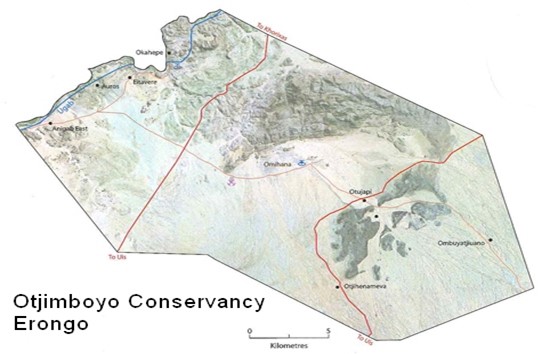
The Otjimboyo conservancy is one of the smallest conservancies in the Erongo Region. There only about 342 persons living in 8 settlements in the area. Due to its size the conservancy seems to have been neglected in support and is one of the most vulnerable communities in Namibia as they bear the brunt of the climate change induced drought.
For the community to adapt and mitigate the impact of the crisis brought upon them by tangible effects of climate change several practical and effective solutions will be introduced:
“As a comunity we stand together in managing our natural resources by protecting our environment and wild animals and introducing alternative solutions to ensure food security”
On the western side of the Omihana an area suitable for agricultural development has been identified by the villagers. The soil is fertile and not saline, as is the case within the village.
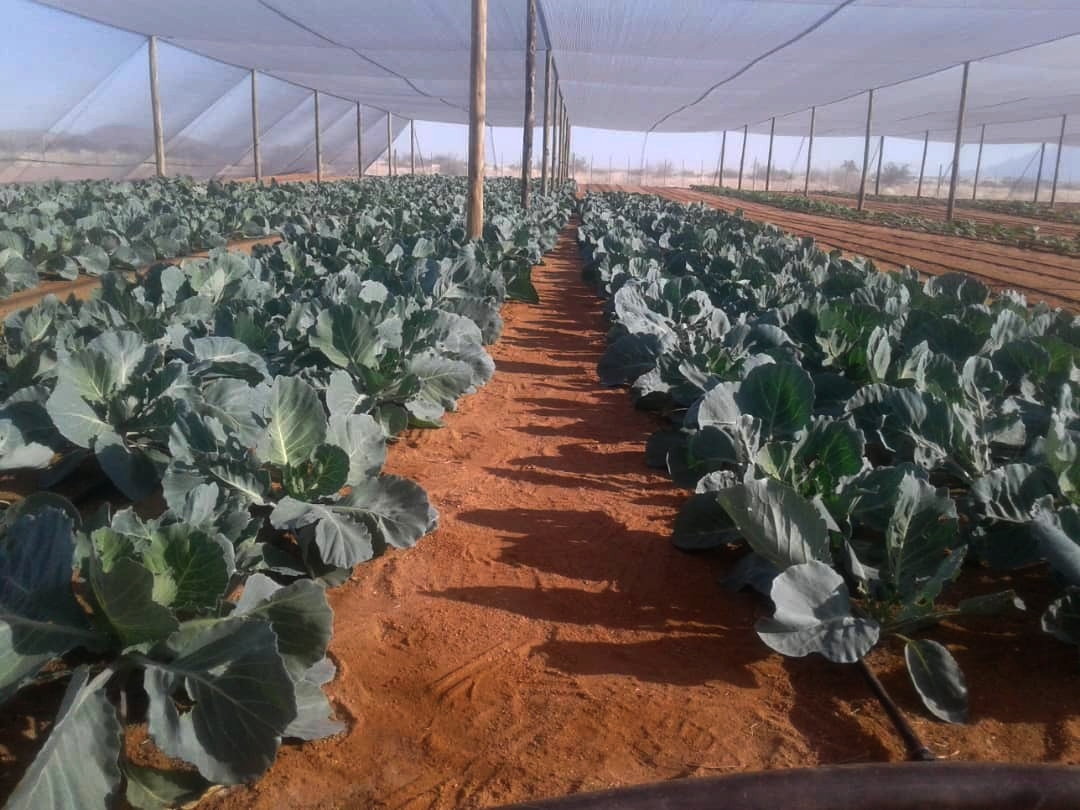
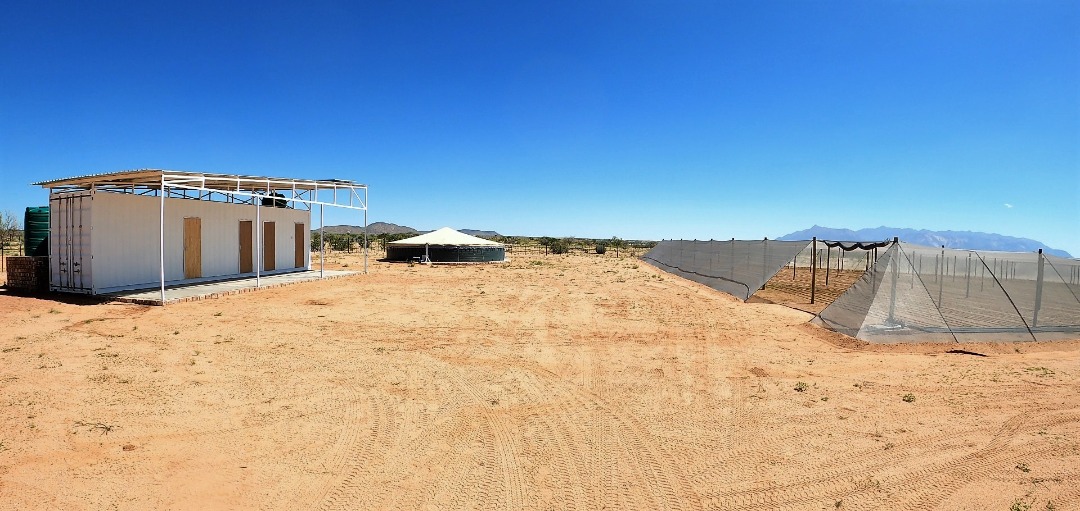
Here a garden of about 4000-5000m² can be built to grow up to 6 different crops that are fairly drought and saline-water resistant and provide suitable nutrition for both humans and animals.
(Tomato, Onion, Sweet Potato, Cabbage, Bell Pepper, Lucerne, Kale). This will be done with the innovative introduction of 3 – 4 Green Irrigation Tunnels into the Otjimboyo Conservancy.
We look forward to implementing ourproject under the guidance of the EIF. If you wish to support our community, please visit us.
Please visit and support our Conservancy Projects.
COMMUNITY GARDEN PROJECT
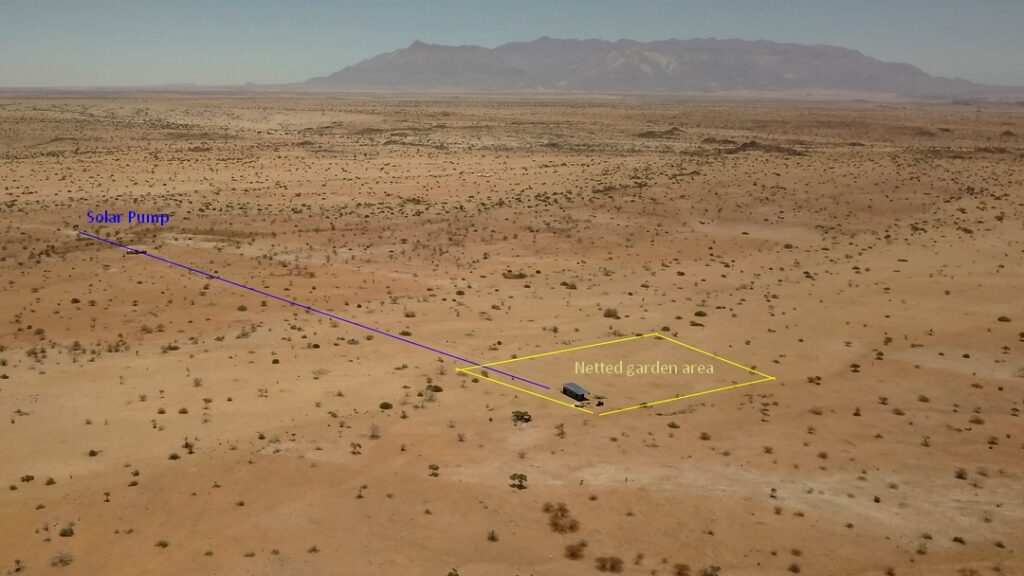
The Otjmboyo Conservancy has not had any assistance to counter the climate change effects they are subjected to. This will be a major intervention to establish sustainable development activities that benefit all the communities of the conservancy and will kickstart the conservancy to sustained resilience and meaningful adaptation to the climate change induced crisis these vulnerable people endure.
The Implementation of solar lighting will also cover the access to renewable energy resource. De-commissioning the outdated and old diesel power water pumps will reduce CO² Emmisions
The outcomes include: Unprecedented self-sufficiency in food supply for humans. The excess foliage is well suited for animal feed goats, chicken and cattle.
This improves the yield of eggs, meat protein and milk for human consumption and less reliance on the hunting of game, which is almost extinct in this area. In addition, this provides meaningful employment within the community of young members of the conservancy.
The people of the Otjimboyo Conservancy are in dire straits. This small and extremely vulnerable community is bearing the direct brunt of the prevailing climate crisis. The drought of several years in succession has hit both people, fauna and flora severely. There is only one major fresh water supply, i.e for both villages of Omihana and Otujapi. Elderly people and children have to walk up to 3 km to fetch water for their homes.